Shifting gears: Space Force moves to embrace space mobility for orbital warfare
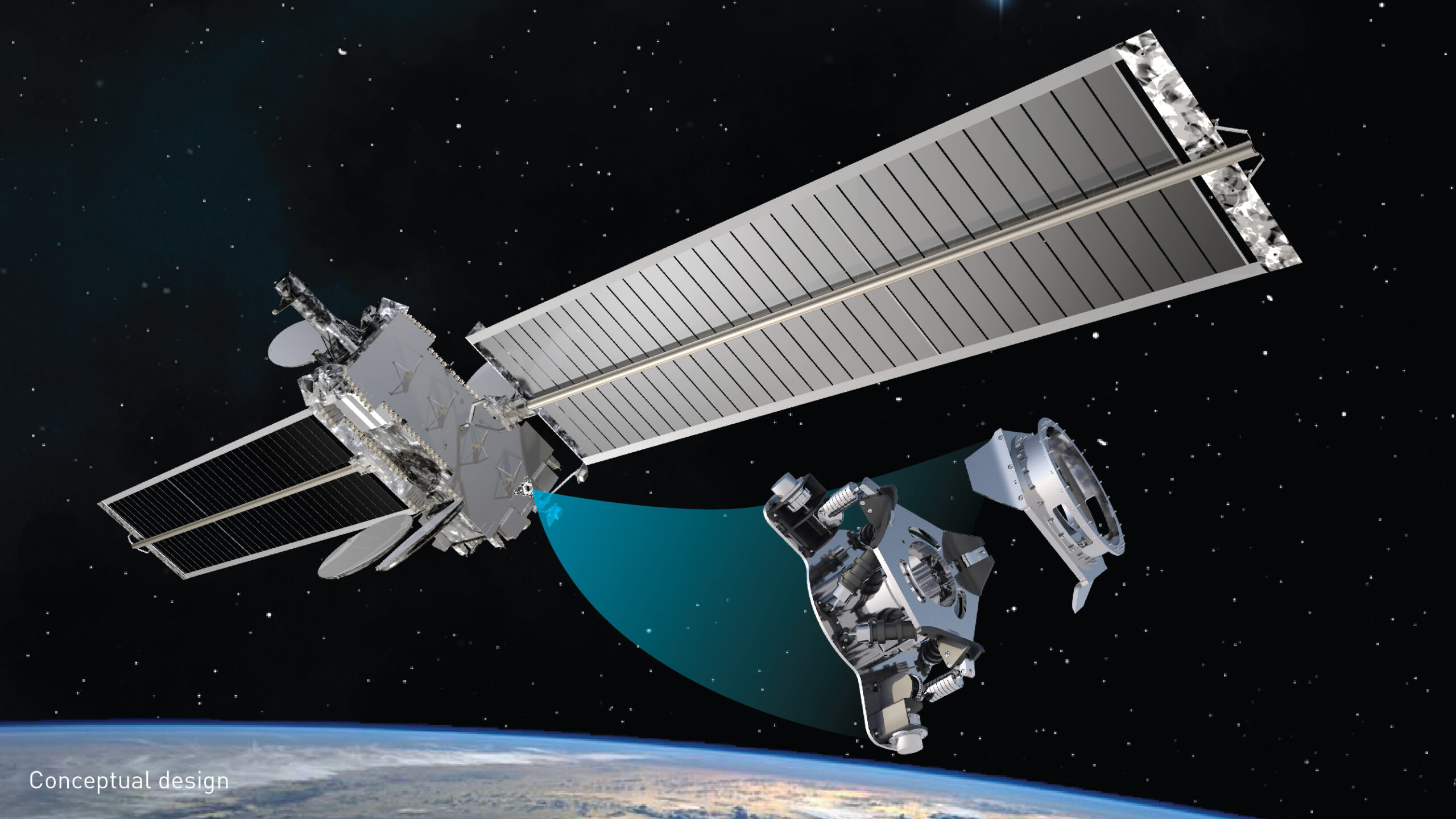
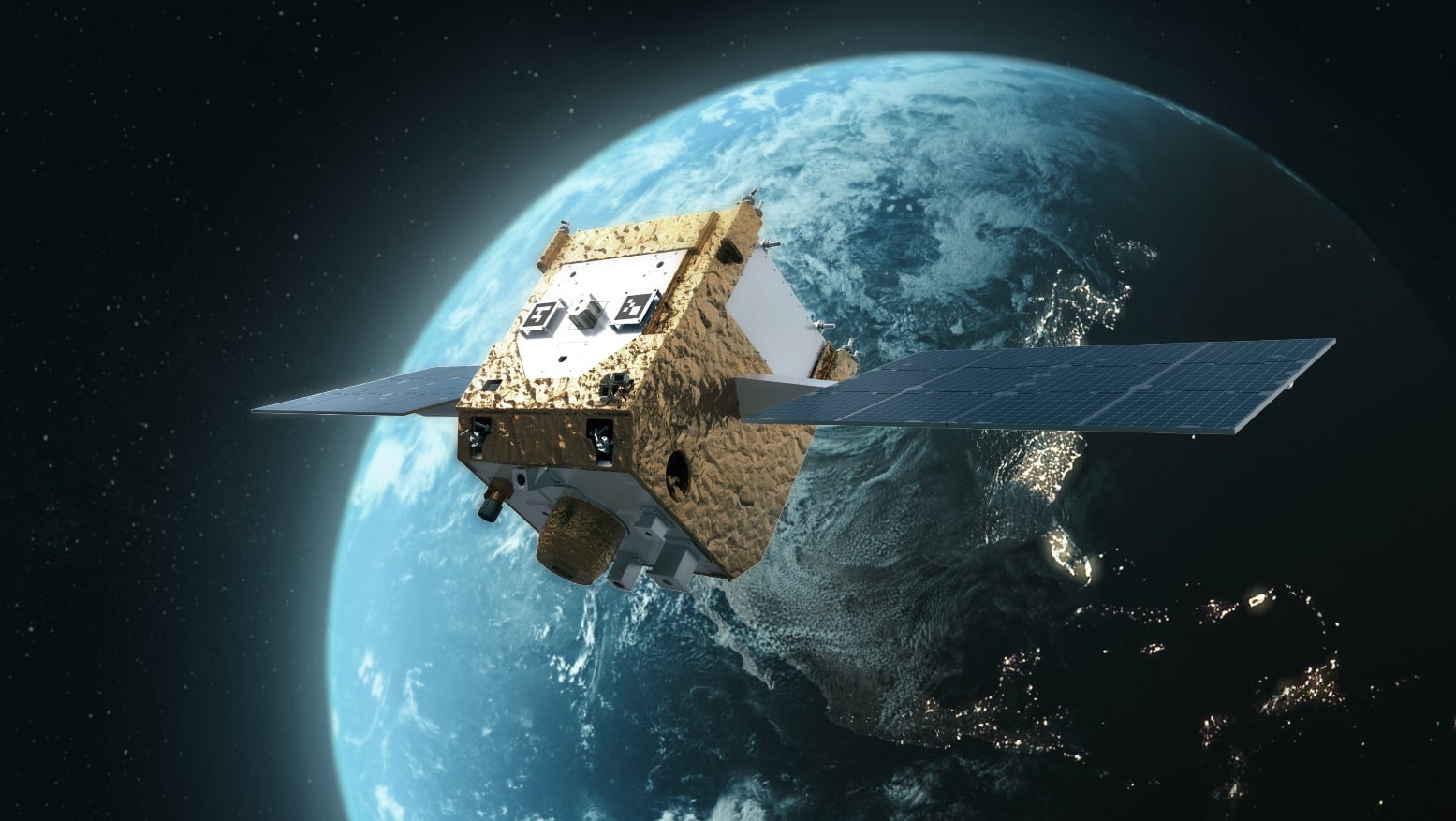
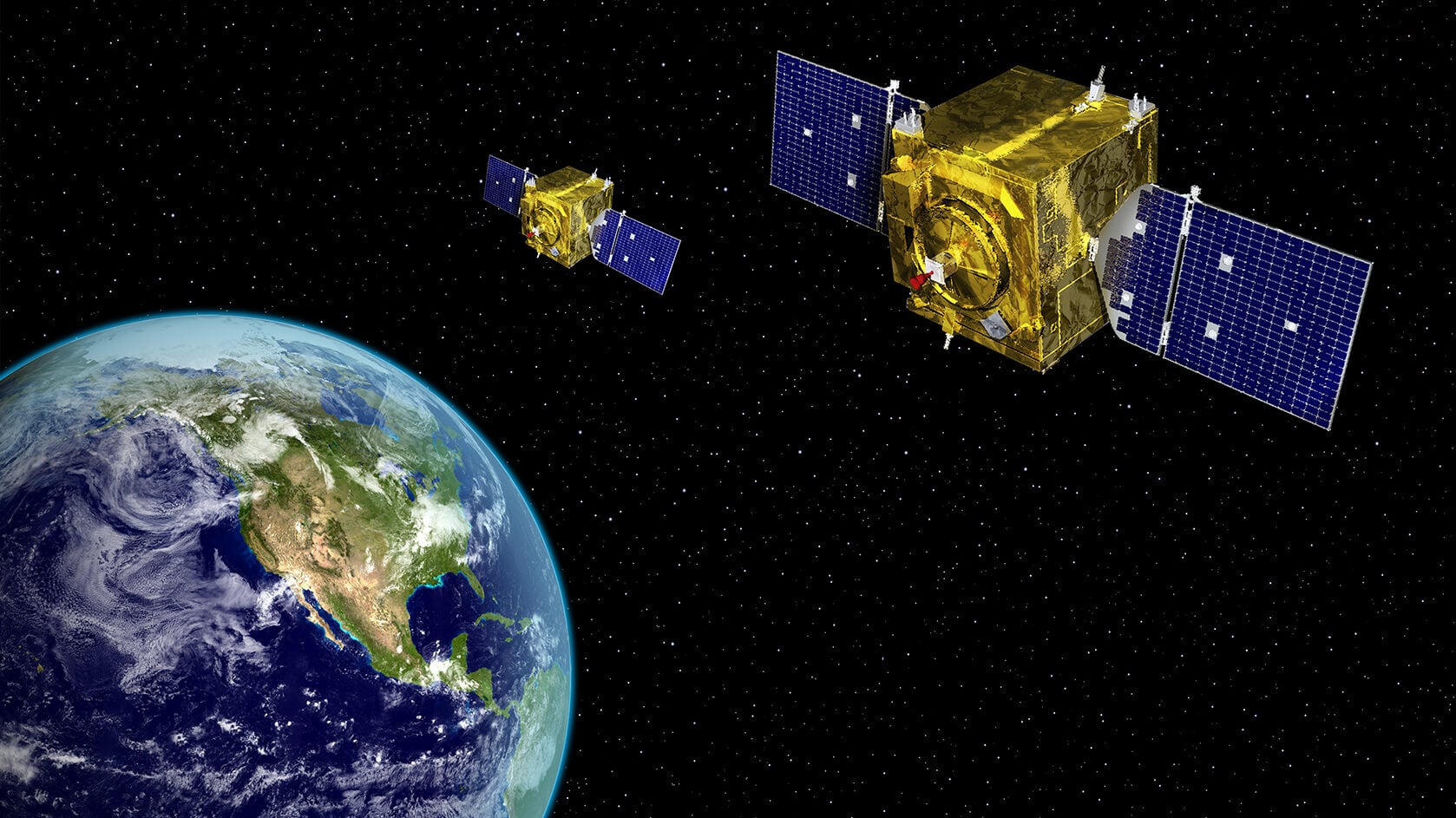
The service's new Objective Force plan calls for demonstrating on-orbit refueling and fielding operational "space tugs" by 2030.
The Office of Space Commerce certification process would be voluntary for industry, due to the fact that congressional authorization would be required for the imposition of any new regulations.
From emerging data networks to missile tracking and cyber resilience, Breaking Defense’s latest eBook brings together essential reporting on the evolving role of satellites in national security.
Gen. Stephen Whiting, commander of US Space Command, today revealed his "Apollo Maneuvers" exercise concept involving satellite movements, responsive launch and "spectrum maneuvering."
Space Systems Command intends to issue task orders to qualified vendors annually based on funding and operational needs, said Col. Byron McClain, SSC program executive officer for Space Combat Power.
The satellites will need to be defended "not only from adversary kinetic or local orbital issues, but also from cyber attacks, electronic jamming and laser attacks," said Patrick Binning, a professor at the Johns Hopkins Whiting School of Engineering.
While the Pentagon has funded experimental re-fueling efforts, RG-XX is the first official acquisition program to have a refueling requirement.
The event explores how AFCEA DC is accelerating delivery of next-gen capabilities to the US Navy and the Navy's transformation of small business programs. Secure your spot today!
In this op-ed, Charles Galbreath argues the Space Force should adopt in-space servicing, assembly, and manufacturing as a means to maintain space superiority over China.
"While this type of close approach activity does not automatically signify a military mission, it obviously could provide a co-orbital counterspace capability," expert Victoria Samson told Breaking Defense.
Space Systems Command is moving out with a trio of projects — contracting with Northrop Grumman for two separate experiments, and with Astroscale US for the first on-orbit refueling operation involving a military satellite.
Space domain awareness is one of the mission areas that SPACECOM Commander Gen. Stephen Whiting said currently needs improved command and control capabilities.
"This will be a modified mission from the Victus Nox mission," David Ryan, space portfolio manager at the Defense Innovation Unit said, noting that "there are two parts of the mission, and DIU is working on a single part with Space Safari."
Lars Hoffman, Blue Origin's vice president of national security sales, said that a viable commercial market for space mobility and logistics "doesn't exist right now."
"We can't expect to bridge the valley of death through S&T programs, and industry accelerator programs. ... We need to identify and prioritize resources, funding and personnel," said Diane Howard, National Space Council head of commercial space policy.
The Mitchell Institute is advocating that from now on Congress bolster the Space Force's budget by "about $250M a year" and "increase end strength by approximately 200 personnel for the new responsibilities associated with emerging national interests on the moon and the cislunar region."